Your Ultimate Guide to Management Software for Trustees: Simplify Oversight and Strengthen Compliance
In today's complicated statutory landscape, fiduciaries wrestle with mounting complications in review and obedience. Effective administrative solutions has emerged as an essential apparatus for improving operational efficiency. By centralizing paperwork and automating tasks, such software can tremendously improve stewardship. However, opting for the ideal solution calls for careful consideration of various variables. Understanding these nuances is imperative for custodians aiming to optimize their administrative practices and guarantee adherence to regulations. What actions should they undertake onward?

The Significance of Management Software to Trust Administrators
Effective management software is essential for trustees tasked with overseeing sophisticated financial and administrative obligations. It enhances efficiency, ensuring that trustees are able to handle multiple accounts and documents efficiently. By aggregating data, software promotes convenient access to vital information, which is crucial for informed decision-making and adherence to legal requirements.
Furthermore, this technology lowers the exposure of errors by executing standard operations such as filings and document preservation. With a well-organized digital framework, trustees can better track submission dates, monitor economic standing, and facilitate correspondence among key players. The ability to generate moment-by-moment feedback elevates lucidity and builds accountability.
Ultimately, management platforms facilitates trustees in directing their obligations with superior precision and assurance, allowing them to emphasize future-focused planning rather than day-to-day tasks. This evolution not only strengthens operational efficiency but also solidifies the overall institutional framework within which trustees operate.
Important Elements of Effective Trustee Management Software
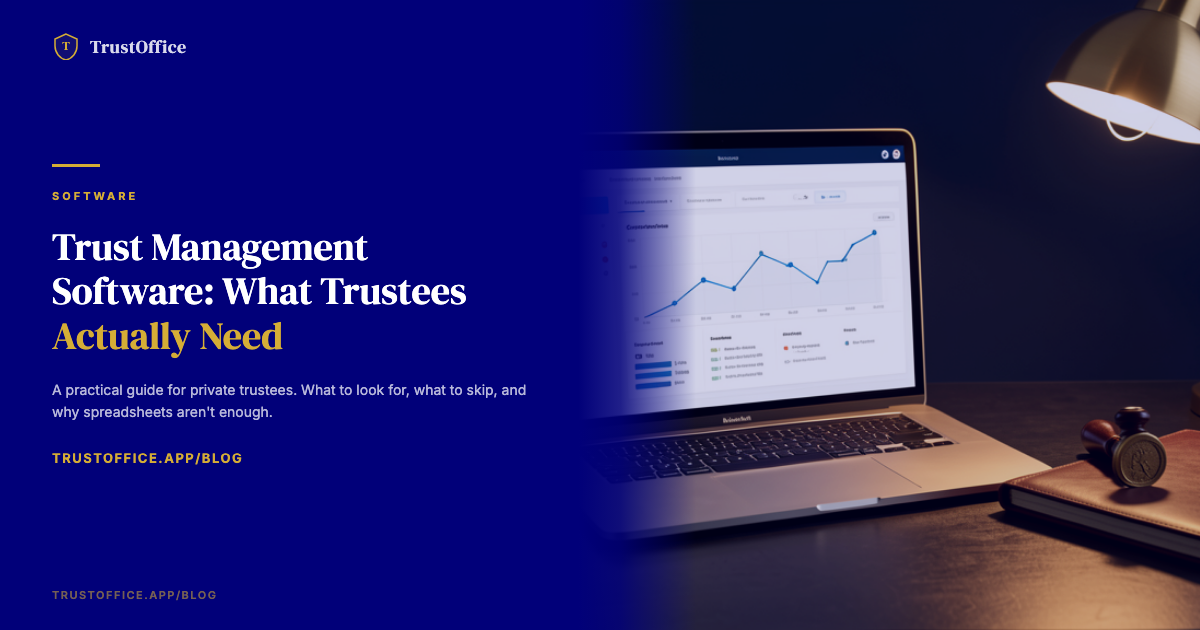
Trustees derive significant advantages from management software outfitted with essential functionalities customized to their specific requirements. A thorough dashboard allows for immediate oversight of holdings and regulatory standing, ensuring transparency and accountability. File organization features enable protected safekeeping and quick access of critical documents, minimizing the danger of displacement or damage. Additionally, automated reporting tools streamline the preparation of monetary overviews and regulatory documentation, saving time and minimizing mistakes.
Cooperative features enable communication among trustees and stakeholders, improving decision-making workflows. User-friendly interfaces are critical, as they ensure that all trustees, regardless of technical proficiency, can easily operate the software. Adjustable alerts and notifications help trustees remain updated of key deadlines and compliance changes. Finally, strong security measures protect sensitive information, ensuring data integrity and confidentiality. Collectively, these essential features enhance the effectiveness of trustee management software, supporting the rigorous demands of governance and oversight.
Key Advantages of Administrative Software for Trust Administrators
While the complexities of managing trust responsibilities can be tough, utilizing management tools offers significant advantages that streamline processes and enhance efficiency. One key benefit is improved organization; software furnishes a single platform for documentation, making it less difficult for trustees to access important data. Additionally, automated functions eliminate repetitive tasks, allowing for speedy revisions and minimized error occurrence.
Elevated compliance is yet another critical advantage, as administrative systems regularly includes embedded compliance requirements and reporting tools, ensuring trustees accomplish regulatory duties more effectively. In addition, collaboration becomes seamless; various stakeholders can retrieve current information, supporting improved communication and strategic choices.
Finally, data protection is paramount; trusted administrative platforms utilizes advanced encryption and protective measures to protect confidential data. By taking advantage of these advantages, trustees can concentrate on fulfilling their legal obligations with greater confidence and oversight.
Benchmarking Top Administrative Software for Trustees
In the realm of trustee management platforms, it is vital to review the principal features supplied by multiple platforms. A comparison of rate models can provide insights into the cost-effectiveness of each alternative. Moreover, understanding user experience can indicate which software optimally serves the requirements of trustees.
Central Features Guide
A careful analysis of management software for trustees reveals several key features that improve operational efficiency and decision-making. First, centralized document management provides easy access to essential records, ensuring compliance and transparency. Second, robust reporting tools aid data analysis, enabling trustees to make informed decisions based on real-time metrics. Third, task management functionalities simplify workflows by assigning responsibilities and monitoring progress. Additionally, secure communication channels foster collaboration among trustees and stakeholders, lowering the risk of miscommunication. Integration capabilities with existing financial systems further enhance functionality, lessening administrative burdens. Finally, user-friendly interfaces ensure that all stakeholders, regardless of technical expertise, can use the software efficiently, encouraging widespread adoption and effective oversight.
Rate structures analysis
Administrative tools cost frameworks designed for trustees differ significantly among providers, reflecting a range of capabilities and functionalities. Some platforms provide layered pricing structures, where users pay based on the number of trustees managed or the complexity of the services utilized. Others implement a subscription model, charging yearly or monthly fees that may contain additional costs for premium features or connections. A few vendors offer single-payment licenses, attracting those seeking sustained commitments without ongoing payments. Additionally, some platforms may offer customizable pricing tailored to specific organizational needs, creating increased adaptability. Overall, a comprehensive evaluation of these cost structures is essential for trustees to ensure they choose software that corresponds with financial limitations while fulfilling their operational requirements.
User Interface Metrics
Comparative research shows that platforms outfitted with comprehensive support systems, like tutorials and quick-to-respond technical support, considerably increase user contentment. Furthermore, user feedback stresses the importance of mobile accessibility, allowing trustees to manage obligations remotely.
In essence, software that prioritizes user experience not only fosters compliance but also enhances overall productivity, making it an essential consideration for businesses wanting to perfect their governance strategies.
Steps to Pick and Integrate Management Software
Picking and establishing management software calls for comprehensive review of many key considerations. First, board members must clarify their specific needs, such as features for compliance tracking, reporting capabilities, and user accessibility. Evaluating assorted software options relative to these criteria helps make certain that the chosen solution fulfills organizational goals.
Expense is another crucial element; trustees should analyze both starting expenditures and recurring maintenance costs. Additionally, user experience is important, as staff must adapt quickly to new systems to minimize downtime.
It is also advisable to identify software that integrates well with existing tools, which improves functionality and efficiency.
Once an suitable choice is selected, a comprehensive deployment strategy should be established, incorporating instructional programs for users and a defined schedule for rollout. Ongoing assistance and feedback mechanisms are vital to address any issues promptly, ensuring the software successfully fulfills the organization's requirements over time.
Addressing Problems With Management Software
Even after a detailed assessment and deployment process, institutions may still encounter challenges with management software. Common difficulties involve organizational pushback, weak instruction, and interoperability issues with incumbent systems. Personnel may experience hardship to acclimate to new workflows, generating frustration and reduced effectiveness. Additionally, if training is insufficient, users might not thoroughly leverage the program's functions, obstructing its effectiveness.
Integration with outdated systems may present a notable obstacle, since compatibility issues might emerge, requiring extra technical resources. Moreover, data migration can be complicated, with potential risks of loss or corruption during the transition.
To address these challenges, organizations should stress continuous training and support, making sure users feel comfortable with the software. Regular feedback loops can aid in identifying ongoing issues, permitting prompt changes. By building a culture of adaptability and providing sufficient resources, enterprises can enhance the software's effectiveness and accomplish better regulation and monitoring.
Emerging Technologies in Operational Software for Trustees
The environment of management software serving trustee needs is changing, with vital developments becoming apparent. The embedding of artificial intelligence looks to enhance decision-making processes, while reinforced data security systems are proving essential to safeguard confidential details. Moreover, the growth of cloud-based solutions enables better availability and adaptability for trustees undertaking their duties.
Artificial Intelligence Embedding
The incorporation of artificial intelligence in trustee platforms for trustees is set to transform the way fiduciaries operate. By streamlining routine tasks, AI enables trustees to concentrate on strategic decision-making and enhance operational efficiency. Predictive analytics can deliver insights into market movements, enabling better investment approaches and risk evaluations. Furthermore, AI-driven tools can enhance compliance by tracking regulatory requirements and flagging potential issues before they occur. Natural language processing can enhance correspondence by analyzing legal paperwork and producing reports, thereby reducing administrative burdens. As these systems advance, trustees will gain from enhanced accuracy and reduced mistakes, paving the way for a more proactive and responsive approach to trust management in an increasingly intricate regulatory landscape.
Enhanced Data Protection
Addressing the difficulties of trust management requires strengthened concentration on data security, especially as cyber threats persist to shift. Trustees are increasingly appreciating that powerful protective frameworks are critical to protect sensitive information and copyright compliance with regulatory standards. Advanced encryption solutions, multi-step verification systems, and periodic security audits are becoming standard elements in management software. These improvements not only shield data but also generate greater confidence among stakeholders. In addition, software developers are channeling resources into machine learning algorithms that can identify unusual activity and potential breaches in real-time. Therefore, trustees can gain from adaptive security measures that respond to emerging risks, ultimately building a more protected environment for managing trust assets and information.
Cloud-Based Solutions Advancement
Cloud-based solutions are revolutionizing trustee oversight by offering unprecedented flexibility and accessibility. These tools enable trustees to access essential information anytime, anywhere, facilitating real-time collaboration among interested parties. As more organizations implement cloud solutions, the movement is projected to continue, driven by the need for streamlined information handling and streamlined operations. Improved connectivity features with existing tools also promote better processes and information sharing. Additionally, advancements in machine learning and automation within cloud infrastructures promise to enhance decision-making processes and regulatory monitoring. By embracing these innovations, trustees can more effectively manage challenges and guarantee conformity to regulatory requirements, establishing themselves for future success in an rapidly evolving landscape.
Often Requested Questions
What Is the Typical Price of Trust Management Software?
Trustee administration software typically ranges between $50 to $500 per month, based on features and the number of users. Some vendors may offer layered pricing plans or one-time fees for particular features or services.
Do Users Need Training to Operate Management Software?
Training is commonly essential for deploying management software, because it confirms users acquire knowledge of the system's capabilities and features. Comprehensive training improves efficiency, cuts errors, and ultimately accomplishes better adherence and control in trustee management.
Does Management Systems Work With Existing Systems?
Yes, management software can integrate with existing systems. Many platforms supply APIs and flexible information configurations that promote effortless connectivity, strengthening information uniformity and workflow efficiency, ultimately benefiting enterprise-wide activities and decision-making processes.
What Support Options Are Accessible for People?
Users generally have access to different help resources, including online tutorials, customer service hotlines, email assistance, and community forums. These solutions seek to address inquiries and boost the overall user experience with the software.
Mobile Apps for Trustee Management Platform: Do They Exist?
Yes, many trustee management software solutions offer mobile tools, allowing users to handle assignments, access documentation, and interact efficiently while on the go, maximizing their productivity and promptness in supervising trustee responsibilities.